As complexity grows, the system depends on
Security, Trust & Control Domain, The Protective Core of the Internet, ensuring that data, identities, and communications remain safe and verifiable.The primary roles within this category are as follows:
Network & Application Protection
DDoS Protection Provider
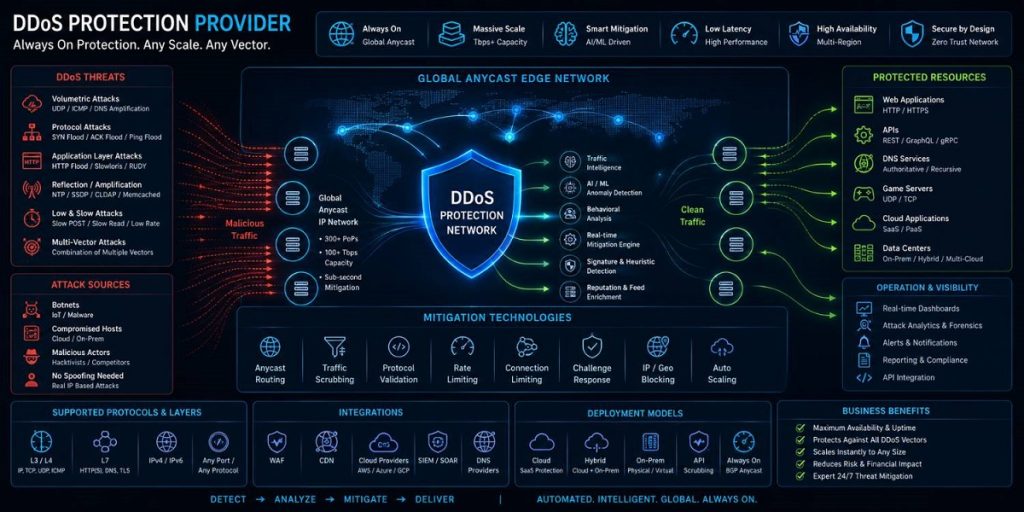
Provides distributed infrastructure and security services that detect, absorb, and mitigate denial-of-service attacks targeting Internet resources.
Example: Cloudflare, OVHcloud, Alibaba Cloud
Web Application Firewall (WAF) Provider
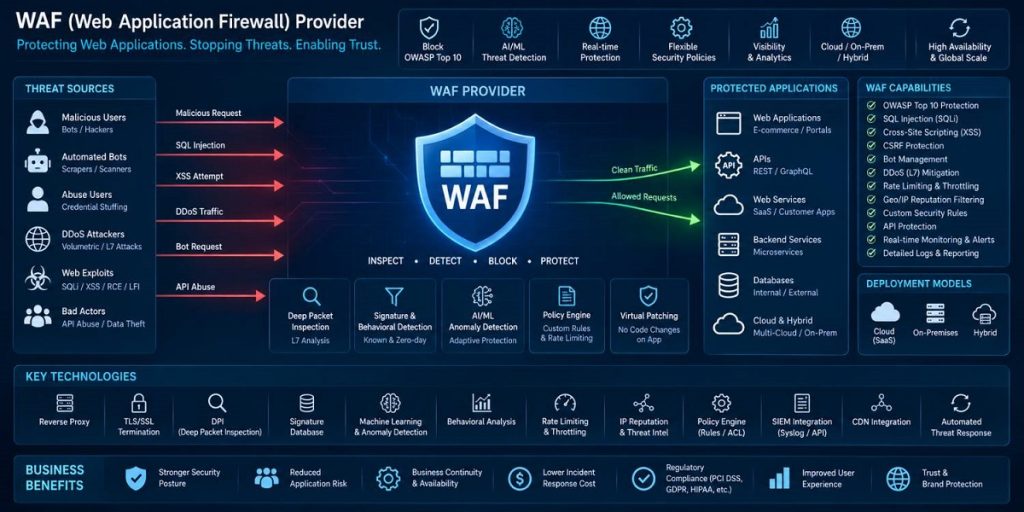
Provides security infrastructure that inspects and filters HTTP traffic to protect web applications from malicious requests and attacks.
Example: Cloudflare, OVHcloud, Alibaba Cloud
Bot Management Provider
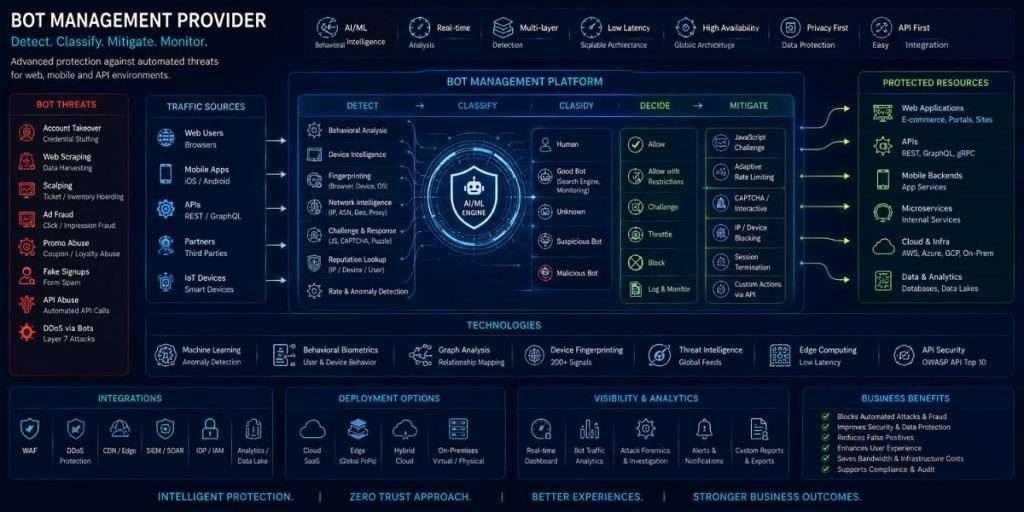
Detects, classifies, and manages automated Internet traffic to distinguish legitimate bots from malicious or abusive automated activity.
Example: Cloudflare, DataDome, Alibaba Cloud
Network Security Provider
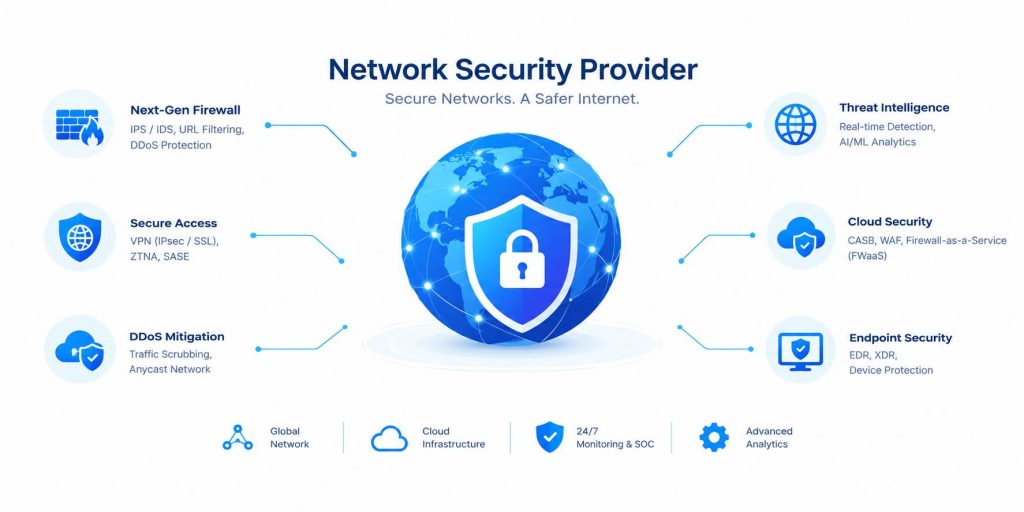
Provides network security technologies and services that monitor, filter, inspect, and control traffic across network infrastructure.
Example: Palo Alto Networks, Fortinet, Huawei
API Security Provider
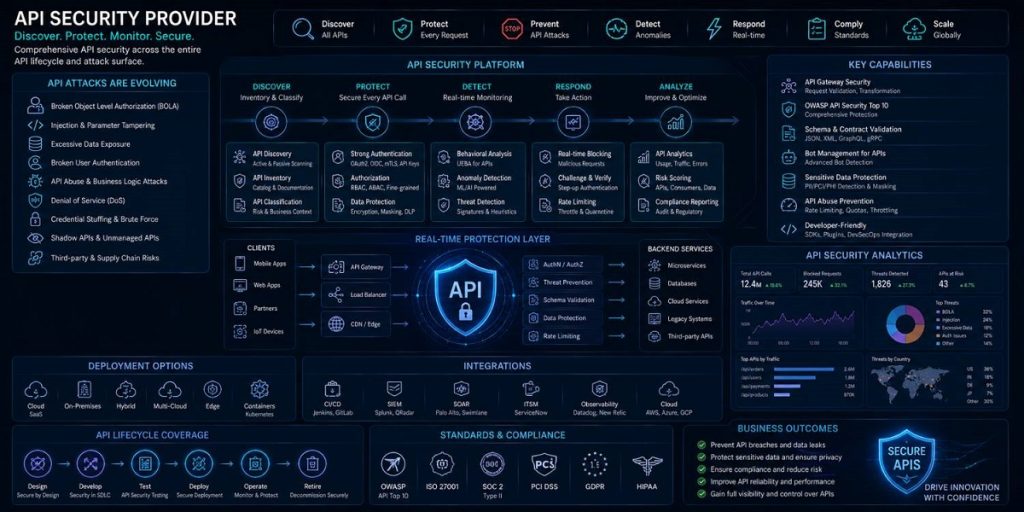
Provides security capabilities that discover, monitor, authenticate, and protect APIs against unauthorized access, abuse, and malicious activity.
Example: Akamai, 42Crunch, Alibaba Cloud
Internet & Communication Security
Protective DNS Provider
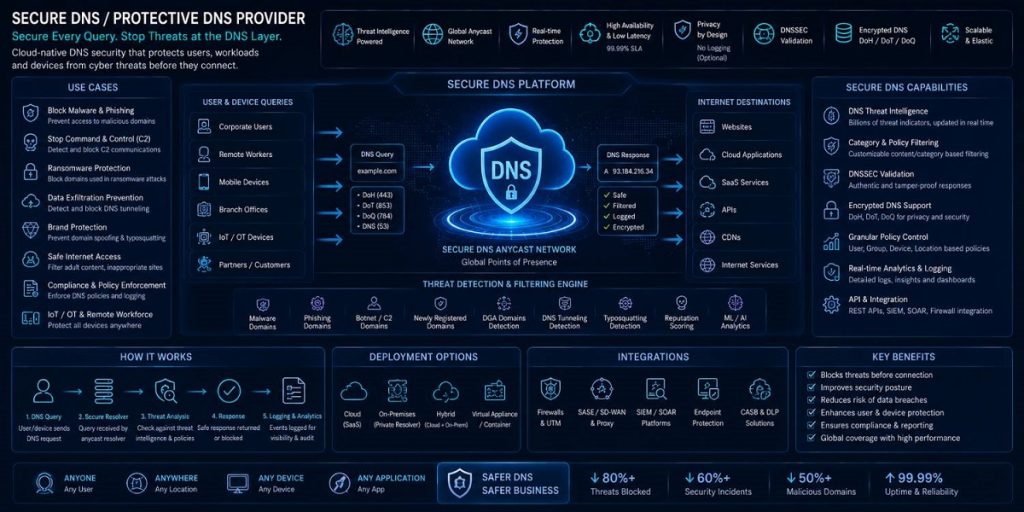
Provides DNS-based security services that identify and block connections to malicious, fraudulent, or otherwise harmful Internet domains.
Example: Cisco Umbrella, NextDNS, Trend Micro
Email Security Provider
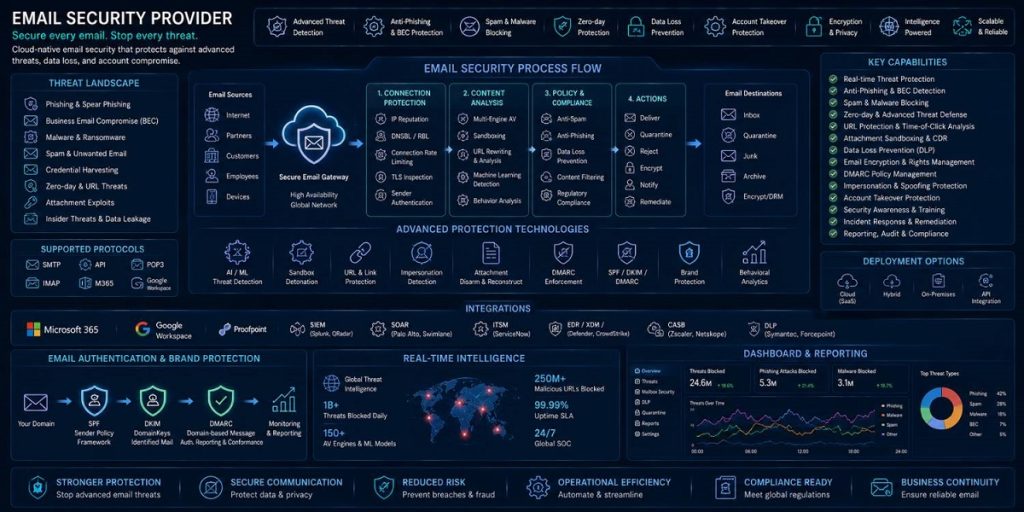
Provides security services that detect and block spam, phishing, malware, malicious attachments, and other email-based threats.
Example: Proofpoint, Hornetsecurity, Trend Micro
Endpoint Security Provider
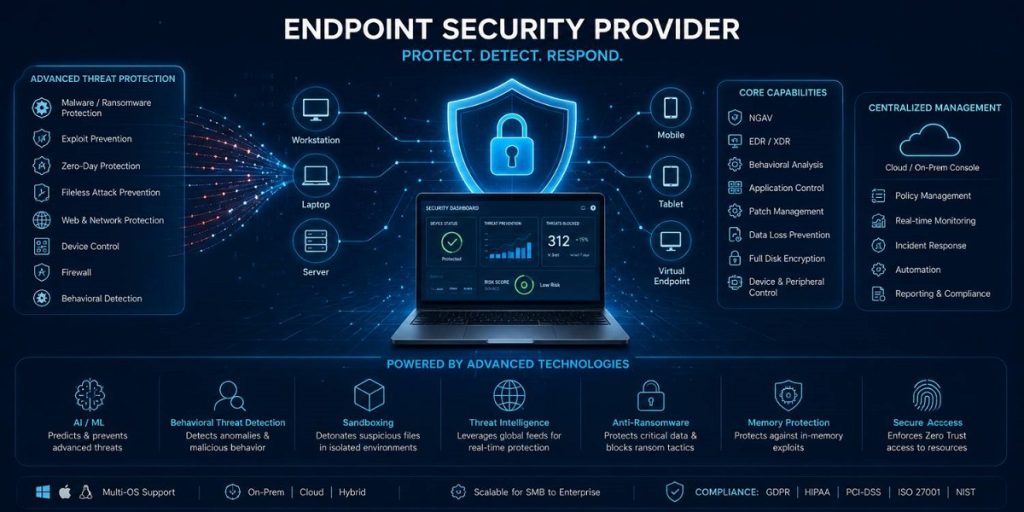
Provides security software and services that protect computers, mobile devices, servers, and other endpoints from cyber threats.
Example: CrowdStrike, WithSecure, Trend Micro
Threat & Risk Management
Vulnerability & Exposure Management Provider
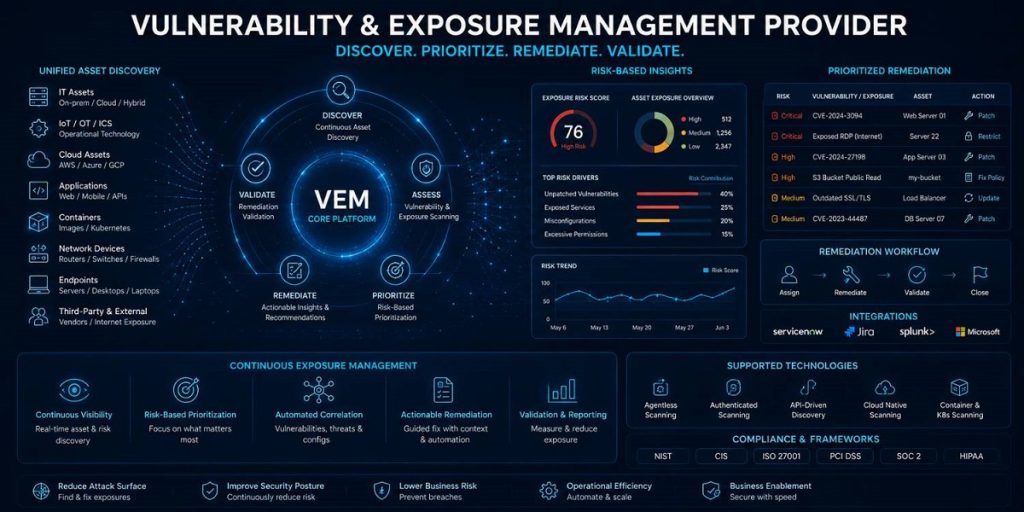
Identifies, assesses, prioritizes, and helps remediate vulnerabilities and security exposures across digital assets and infrastructure.
Example: Tenable, Outpost24, Trend Micro
Fraud Detection & Risk Management Provider

Detects suspicious activities, assesses transaction risks, and helps organizations prevent fraud across digital services and interactions.
Example: LexisNexis Risk Solutions, SEON, NEC
Threat Intelligence Provider
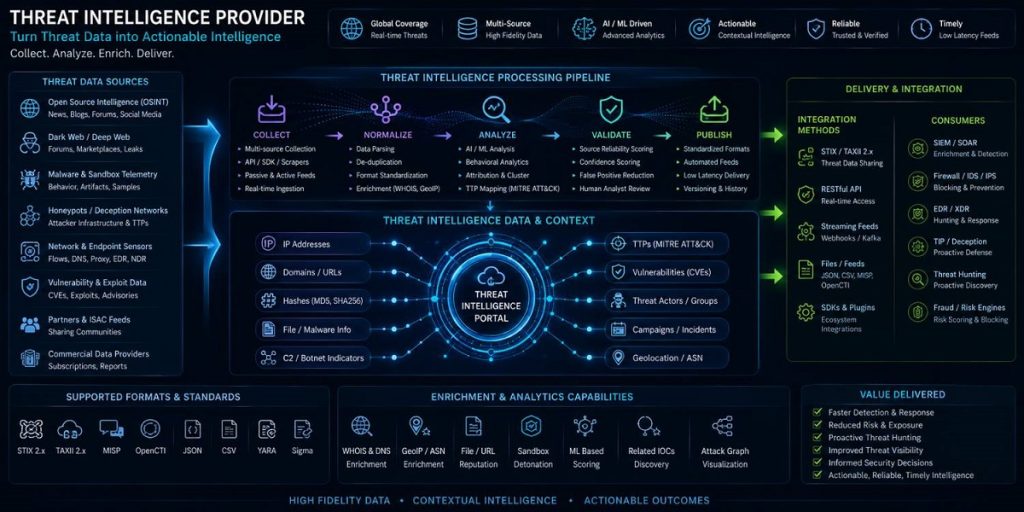
Collects, analyzes, and distributes information about cyber threats, malicious actors, indicators, vulnerabilities, and emerging attack techniques.
Example: Recorded Future, Sekoia, NTT
Security Operations
SIEM Provider
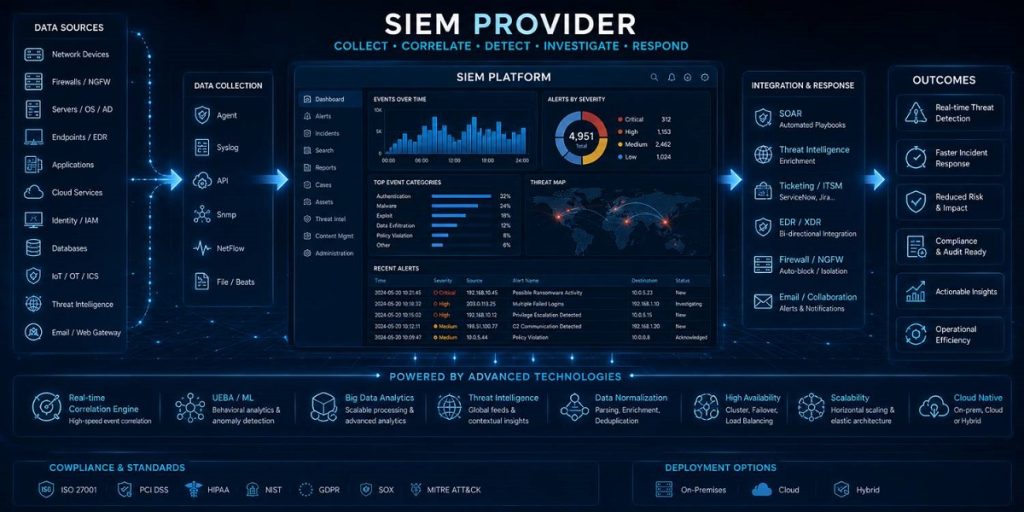
Provides platforms that collect, correlate, analyze, and retain security events from distributed systems, networks, applications, and devices.
Example: Microsoft Security, Sekoia, NTT DATA
Managed Security Operations Center (SOC) Provider
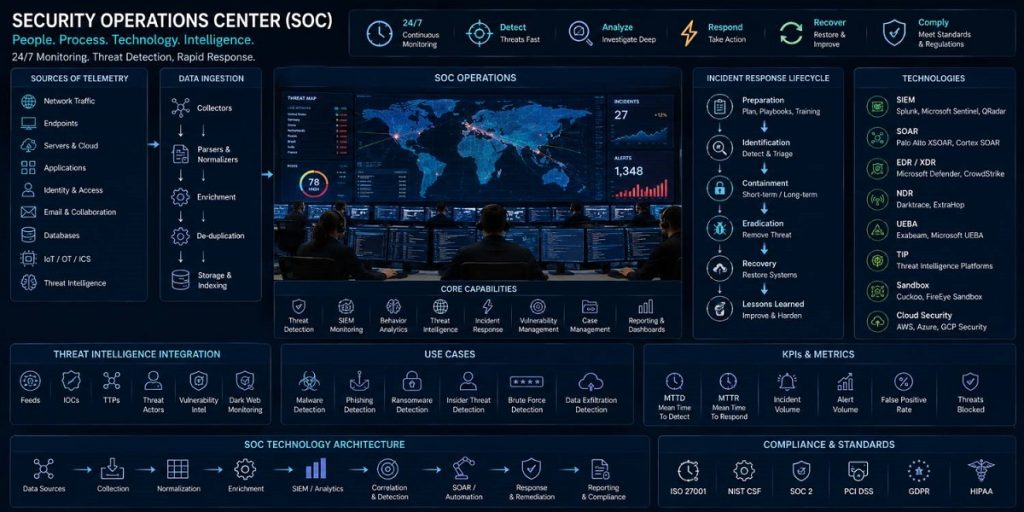
Provides continuous security monitoring, threat detection, investigation, and operational response through centralized or distributed security operations capabilities.
Example: Arctic Wolf, Orange Cyberdefense, NTT DATA
Incident Response Provider

Provides continuous security monitoring, threat detection, investigation, and operational response through centralized or distributed security operations capabilities.
Example: Mandiant / Google Cloud, Orange Cyberdefense, NTT DATA
Cryptographic Trust
Key Management Service (KMS) Provider
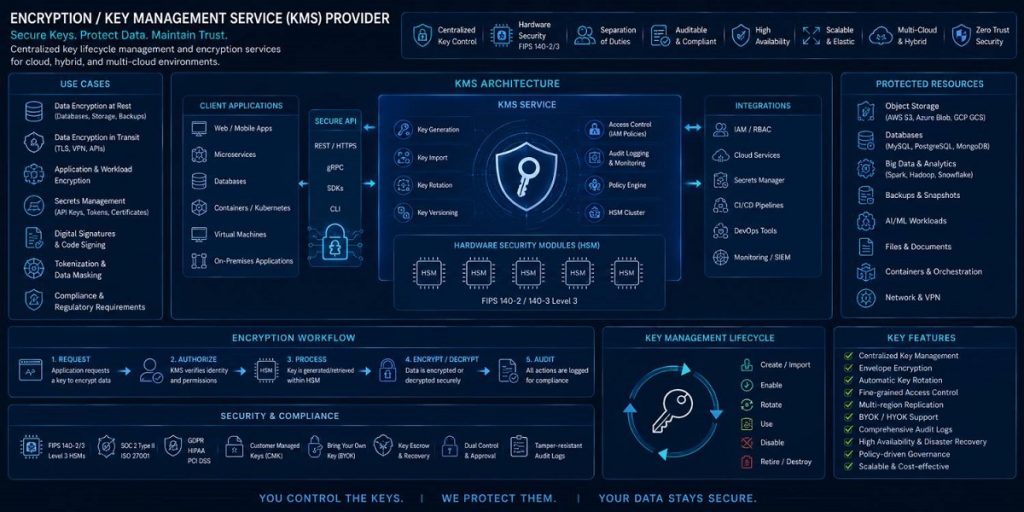
Provides infrastructure for generating, storing, controlling, rotating, and protecting cryptographic keys used by applications and information systems.
Example: AWS KMS, OVHcloud, Alibaba Cloud KMS
Secrets Management Provider
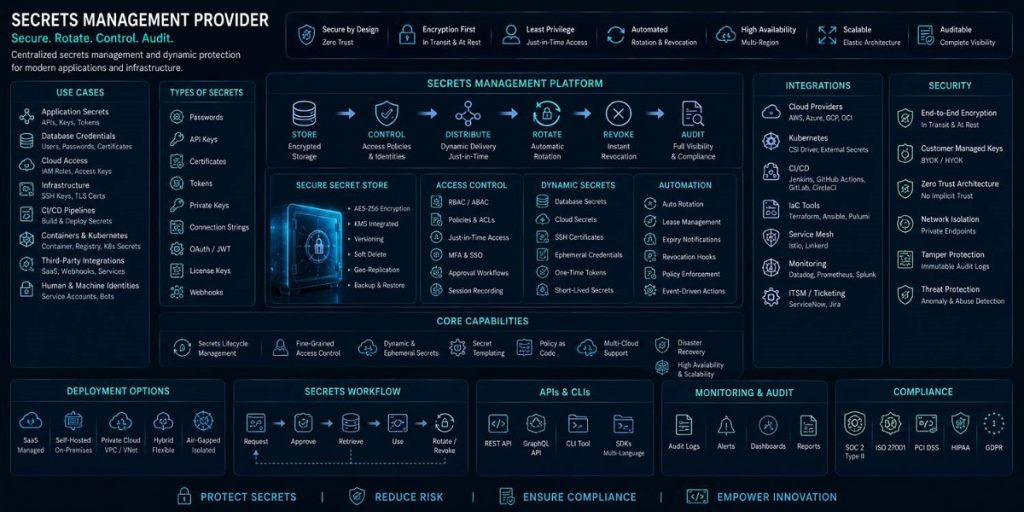
Provides secure storage, access control, rotation, and distribution of sensitive credentials, tokens, passwords, and application secrets.
Example: AWS Secrets Manager, Scaleway, Alibaba Cloud
Certificate Authority (CA) Provider
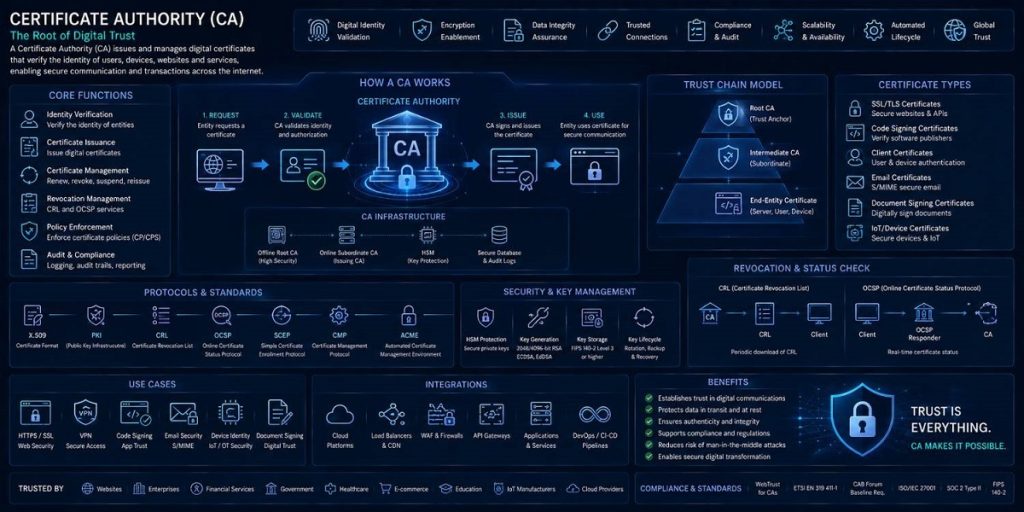
Issues, validates, manages, and revokes digital certificates that establish cryptographic identity and trust between communicating entities.
Example: DigiCert, SwissSign, GMO GlobalSign
Security Service Edge
Security Service Edge (SSE) Provider
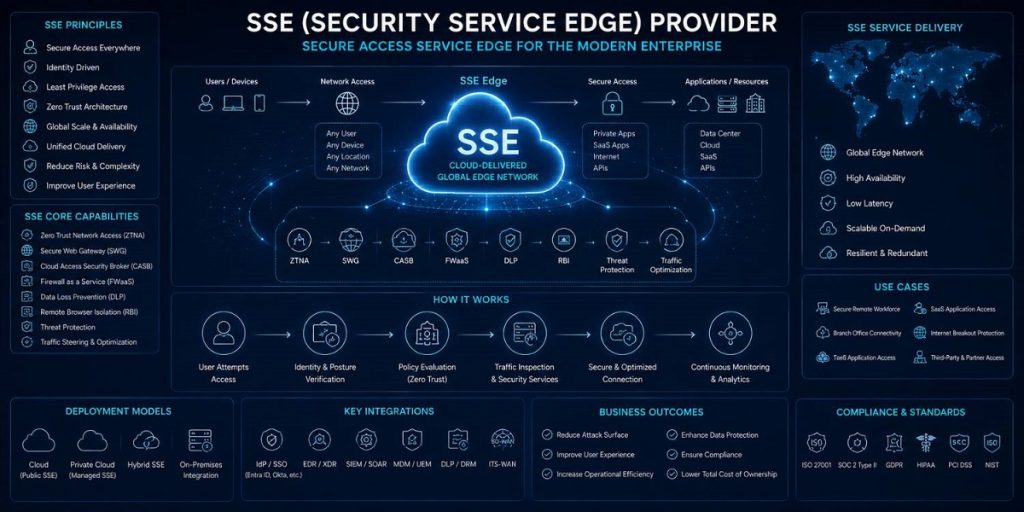
Provides cloud-delivered security services that protect users, applications, and data through distributed security enforcement close to access points.
Example: Zscaler, Orange Business, Huawei
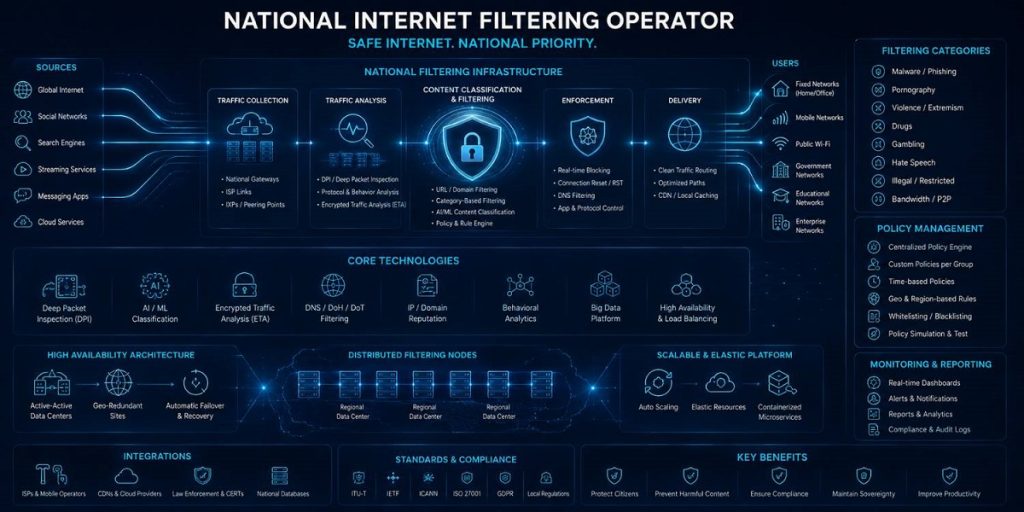
National-Level Security Control